Author name: kanikaaggarwal

Content Writing

The Complete Guide to Solo Female Travel in Goa

Travelling solo as a woman can feel exciting, but also a little scary. I remember how nervous I was for my very first solo trip. Yet, the excitement of finally doing something on my own was greater.  I chose Goa for my solo trip. Honestly, it made things much easier. It’s one of those places where you don’t feel completely alone. Sitting by the beach, exploring cafes, and spending time with myself taught me something: solo travel isn’t just about the place, it’s about gaining confidence and understanding yourself better. If you’ve been thinking about taking that first step, Goa could be the perfect beginning. In this guide, you will find everything you need–from safety tips and budget planning to the best places to explore, so you can travel with confidence and create an experience that’s truly your own.  Why is Goa Perfect for Solo Female Travelers? Goa is often one of the first places that comes to mind when planning a solo trip- and for good reason. It’s a tourist-friendly destination where you don’t feel out of place. The things that make Goa special are the balance it offers. You can enjoy the peaceful, quiet beaches in South Goa or explore the lively cafes and nightlife in North Goa, depending on your mood. Getting around is also quite easy. With good connectivity, rental scooters and helpful locals who mostly speak English, it doesn’t feel overwhelming for a first-time solo female traveller. Best Time to Visit Goa The best time to visit Goa really depends on what kind of experience you’re looking for.  If it’s your first solo trip, the months from November to February are ideal. The weather is pleasant, and the vibe is lively with lots of events. If you prefer fewer crowds and slightly lower prices, March to May can be a good option, though it does get quite hot. The monsoon season starts from June to September, bringing a completely different side of Goa. This season is perfect for you if you are looking for peace and slow travel, but not ideal if you want to explore beaches and activities fully. North Goa vs South Goa- Where Should You Go? Choosing between North Goa and South Goa can really shape your solo travel experience. If this is your first solo trip, South Goa is often a better choice. It gives you the space to explore at your own pace , feel more at ease, and truly enjoy the experiences without too much chaos. Where to Stay? Finding the right place to stay can  make a huge difference in your solo travel experience. Goa offers plenty of options, depending on your comfort and budget. Popular stay options : Safety tips: I remember during my trip, I once hitchhiked to my sister’s place. It turned out fine, but it also made me realise how important it is to plan your stay and transport in advance. A little planning can make your trip much safer and more relaxed. Budget Breakdown for Solo Travel in Goa. Travelling solo in Goa doesn’t have to be expensive if you plan it wisely. Here’s roughly what you can expect to spend in a day: So overall, you’re looking at about ₹2000-₹4000 per day, depending on how fancy you want to get. Food and Cafes to Try One of the highlights of travelling solo in Goa is definitely the food. Local Goan food is full of flavour and gives you an authentic taste of the region. If you love seafood, you’ll be spoiled–fresh fish curry, prawns, and carbs are everywhere, especially around Colva, Palolem, and Baga beaches. For dessert, try bebinca, the traditional Goan layered cake. It’s rich ,sweet, and perfect with a cup of coffee at a cafe. Do visit the beach shacks, as no Goa trip is complete without spending some time there, as they’re the heart of the Goan vibe. Things to Do in Goa Goa isn’t just beaches– it’s an experience waiting to be explored , especially when you’re travelling solo. If you’re an adventure lover, the water sports here are unbeatable. Not an adventure fan, then Goa offers plenty of easy ways to calm your mind. Other things you can do are: How to Travel in Goa as a Solo Traveller Getting around Goa is easier than it looks, but choosing the right mode of transport can make your solo trip much smoother. Options that you can choose A word of advice: try to avoid travelling alone late at night, especially on isolated roads.   Safety Tips for Solo Female Travelers Travelling alone in Goa can be a great experience, but staying safe should always come first. Some tips that made my trip smooth and a lifelong experience that will also help you: “Your Goa, Your Adventure: Travel Solo, Travel Fearlessly” Solo travel in Goa is more than just a trip–it’s a chance to discover yourself, your confidence, and what truly makes you happy. For women, it’s empowering. Every day that you spend reminds you of the achievements you have achieved while seeing its quiet sunset at any beach, or while bustling the night market of famous beach markets, or while having a simple meal at a cosy cafe, all add a story to your journey and a lesson in your independence. Goa is full of opportunities for fun, adventure and reflection. So pack your bags, trust yourself, and let Goa surprise you.

Content Writing

Affordable Fashion Brands That Look Expensive

For the longest time, I believed that looking polished meant spending a lot of money on designer clothes. But over time, I realised that some of the outfits I felt best in were actually made up of affordable pieces that looked far more expensive than they were. What really matters is the fit, fabric, and overall style. A well-fitted blazer or tailored trousers can instantly elevate any outfit. These days, I focus on timeless pieces instead of fleeting trends. In this post, I’m sharing my favourite affordable fashion brands that offer elegant, high-quality pieces so you can look stylish without overspending. What Makes Clothes Look Expensive? In my experience, what makes clothes look expensive has very little to do with the price tag. The real difference lies in the fit, fabric, and overall presentation. Even the most affordable piece can look incredibly polished when it fits well and flatters your body shape.  I’m naturally drawn to neutral shades like black, white, beige, navy, and grey because they always feel elegant and timeless. Fabrics such as cotton, linen, satin, and quality knitwear tend to look richer and more elevated than overly synthetic materials.  The small details matter just as much as well-finished seams, structured tailoring, and sturdy buttons can instantly make a garment appear more luxurious. When you combine quality-looking fabrics, classic colours, and a proper fit, your outfit can look far more expensive than it actually is. How to Shop for Affordable Clothing That Looks Luxury When I shop for affordable clothing, I try to focus on pieces that I know I’ll wear for years rather than those that are trendy for just one season. Timeless basics, such as a structured blazer, a classic white shirt, well-fitting jeans, and tailored trousers, always give me more value and are much easier to style. I also make it a habit to check the fabric composition and read reviews before buying anything. I prefer neutral colours and classic styles because they feel polished and can be mixed and matched effortlessly.  Instead of buying a lot of inexpensive pieces, I choose a few versatile items that work with my existing wardrobe. I also wait for seasonal sales and think about cost per wear to make sure each purchase is truly worth it. Over the years, I’ve found that building a polished wardrobe is less about spending more  and more about knowing where to shop. These are some of my favourite affordable brands that consistently offer stylish pieces with a refined, high-end feel. H&M offers modern basics and office-friendly pieces. Their premium and linen collections often look far more expensive than their price tags suggest. Mango is one of my go-to brands for elegant, minimalist clothing. Their blazers, dresses, and coats always look sophisticated and well-tailored. Zara is perfect when I want trend-forward pieces that still feel polished. It’s a great place to find statement items that elevate simple outfits. Uniqlo is excellent for high-quality basics and layering essentials. Their knitwear, shirts, and trousers are comfortable, timeless, and very well made for the price. COS offers clean, minimalist designs with a premium aesthetic. While slightly more expensive, the quality and timeless appeal make it worth considering. Marks & Spencer is a reliable choice for wardrobe staples, especially knitwear, trousers, and classic dresses that feel polished and durable. AND is one of my favourite Indian brands for sophisticated wear. Their dresses, tops, and work pieces are stylish and well-structured. Vero Moda offers chic basics and contemporary styles that are easy to wear and perfect for everyday outfits. Only is great for casual clothing with elevated details. Their jeans, tops, and jackets are trendy yet versatile. Best Pieces to Buy from These Brands When I shop from affordable fashion brands, I try to focus on pieces that are timeless, versatile, and easy to style. A structured blazer is one of the best investments because it instantly adds polish to even the simplest outfit.  Straight leg trousers are another staple I reach for often- they look sophisticated and work for both casual and professional settings. Satin shirts and linen dresses because they feel elegant without trying too hard. Neutral knitwear in shades like beige, cream, grey, or black is perfect for layering and always looks refined.  To finish the look, I prefer classic handbags with clean lines and minimal accessories such as delicate jewellery, a sleek belt, or simple sunglasses. These pieces create a wardrobe that feels effortlessly chic, far more expensive than it actually is. Styling Tips to Make Affordable Clothes Look Expensive Over time, I’ve realised that even the most budget-friendly outfit can look incredibly polished with the right finishing touches. The first thing I always do is steam or iron my clothes. Crisp, wrinkle-free garments instantly make an outfit appear more refined. Fit is equally important.  If something is too loose or slightly off, a simple alteration can make it look custom-made. I also like to stick to a cohesive colour palette, especially neutrals like black, white, beige, navy, and grey, because they create a clean and sophisticated look. To complete the outfit, I chose understated jewellery, a structured handbag, and polished shoes. When everything feels intentional and balanced, even affordable clothing can look effortlessly luxurious. Final Thoughts One of the biggest style lessons I’ve learned is that looking elegant has very little to do with the price tag. Some of the most polished outfits I’ve worn were built from affordable pieces chosen with care. What makes clothing feel luxurious is a combination of proper fit, timeless silhouettes, quality-looking fabrics, and thoughtful styling. Affordable brands make it possible to build a wardrobe that feels elevated without overspending. Instead of chasing every trend, I prefer investing in versatile staples that I can wear season after season.  A great blazer, well-tailored trousers, and classic accessories never go out of style. When you focus on pieces that truly suit your lifestyle and personal taste, you can  create a wardrobe that feels sophisticated, effortless, and uniquely your own.

Finance

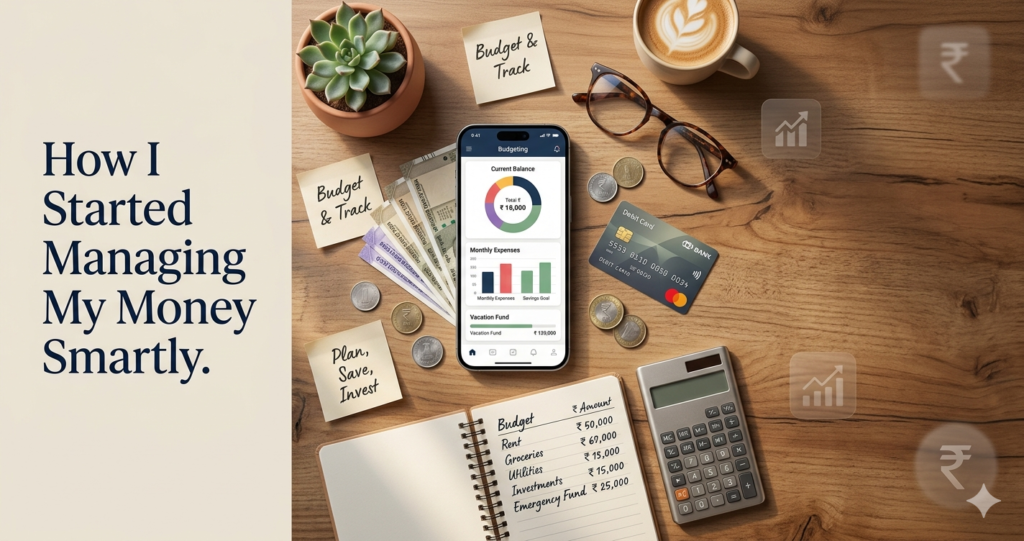
How I started managing my money smartly

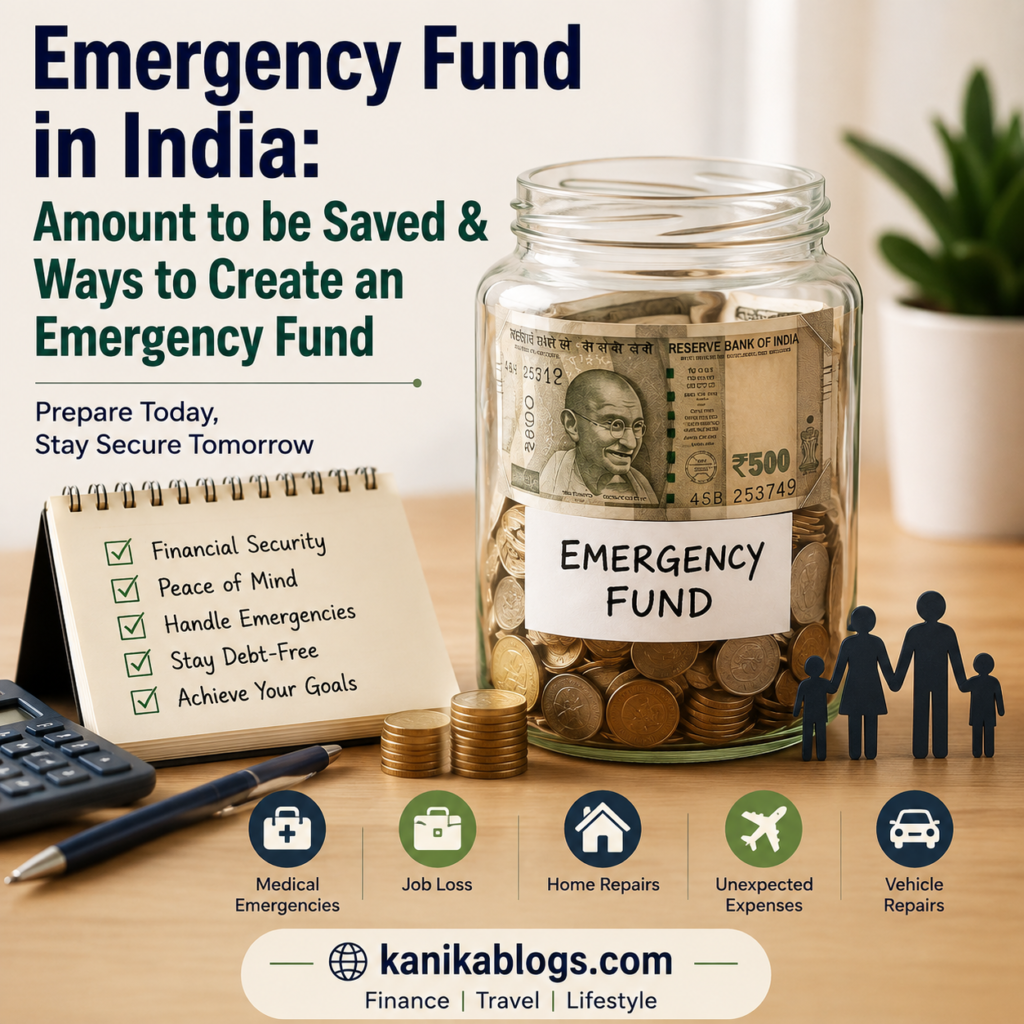
Financial freedom is on everyone’s bucket list, but achieving it requires careful management, attention and discipline. In today’s fast-paced world, where everything is available to you at a finger click, it has become easier than ever to spend money without thinking twice.  Managing money isn’t about how much you earn, but how well you handle what you have. While living in a gradually growing digital world where we are facing constant exposure to advertisements and smart marketing strategies, people get excited to make unnecessary purchases, which results in losing their monthly salaries to unwanted things without even realising it. Here in this article, we will learn to differentiate between wants and needs, how to keep track of your money and manage your income in a simple and effective manner. My wake-up call The moment that became a wake-up call for me was on a normal day when I checked my balance before making a payment. I thought everything would be fine, like always, but it wasn’t. What hit me hard was how low my balance actually was. For a few seconds, I just stared at the screen. So many thoughts started running through my mind- bills were still unpaid, my loan EMI was due, and suddenly everything felt stressful. That’s when it really hit me that I couldn’t ignore this anymore. I started thinking about all the small things I had been spending money on-online shopping, food deliveries-things that didn’t seem like a big deal at that time. But together, they had made a huge impact on my bank balance. That’s when I realised something important: earning money is not enough; knowing how to manage it is what truly matters. Facing my reality: understanding my habits. After that wake-up call, I did something I had never really done before—I started tracking my expenses. At first, it felt unnecessary. Like, what’s the point of writing down ₹100 or ₹200? But when I actually looked at it after a few days, it shocked me.  These small amounts didn’t feel like much at the moment, but together they were a lot more than I expected. That’s when things started to make sense. I realised I had this habit of buying things just because I felt like it at that moment. No thinking, no planning—just impulse. And honestly, accepting that about myself wasn’t easy, but it was true. And that’s when it hit me properly:it wasn’t about how much I was earning, but the real problem was how I was handling it. Managing my finances step-by-step Managing my finances felt overwhelming at first. So, I decided to take it slow with a small start instead of doing everything at once, which seemed to be impossible.  The first thing I did was to create a simple checklist of things I could do to manage my expenses. Writing them down made me feel more confident. I started following a simple rule for my income that is-50:30:20 ratio. I divided my money into three parts:- This part will be considered as your emergency fund, your savings, or used for paying off debt. Even if it seems to be a small amount at the start, consistent savings will help in building security and freedom over time. When I started this method, it was a game-changer. I finally had a structure of my income, and my spending didn’t feel random anymore. Cutting down unnecessary expenses Before cutting down the expenses, we need to understand the reality of wants and needs. When I understood the difference between these two, I used a simple trick that helped me was-asking myself before every purchase, “Do I really need this, or do I just want it?” When you master the difference between wants and needs, the foundation of smart money management starts without any stress. How I took control of my loan Debts used to stress me out a lot. I had a loan hanging over my head, and sometimes I just didn’t want to think about it like an ostrich that hides its head in the ground and thinks no one is looking at it. But avoiding it didn’t help- if anything, it made me feel worse. Process that I took to end it: Results:-over time, consistent effort and discipline will reduce your loan, give you confidence and improve your financial control. What changed after I managed my money Taking control of my finances didn’t happen overnight, but once I started tracking my expenses, cutting unnecessary wants my finances became better. The first thing I noticed was less stress and no longer worrying about running out of money for needs. I could actually breathe and enjoy the beauty of financial freedom, which was my long-dreamt-of dream. Along with less stress came more confidence. Finally, the biggest change that I felt was a feeling of security about my future. I knew that emergencies wouldn’t shake me, and I was prepared to handle unexpected  expenses without panic. Managing my money taught me discipline, responsibility and gave me the freedom to focus on life without financial stress. Conclusion – start today, own tomorrow  Managing money isn’t something that can be achieved in a single day- it’s a journey. From my wake-up call to tracking down every expense, understanding the maths of the 50:30:20 rule,cutting my unnecessary spendings learning all this takes a toll on me. But while applying this, I learnt that small and consistent steps make¯ the biggest difference. If you’re just starting, don’t feel like you have to do everything perfectly. Start small, take one step at a time and build momentum. Always remember, your financial freedom isn’t just about earning more- it’s about managing what you already have. Every rupee you control today is a step towards a safer and more confident future.

Travel

The Complete Guide to Solo Female Travel in Goa

Travelling solo as a woman can feel exciting, but also a little scary. I remember how nervous I was for my very first solo trip. Yet, the excitement of finally doing something on my own was greater.  I chose Goa for my solo trip. Honestly, it made things much easier. It’s one of those places where you don’t feel completely alone. Sitting by the beach, exploring cafes, and spending time with myself taught me something: solo travel isn’t just about the place, it’s about gaining confidence and understanding yourself better. If you’ve been thinking about taking that first step, Goa could be the perfect beginning. In this guide, you will find everything you need–from safety tips and budget planning to the best places to explore, so you can travel with confidence and create an experience that’s truly your own.  Why is Goa Perfect for Solo Female Travelers? Goa is often one of the first places that comes to mind when planning a solo trip- and for good reason. It’s a tourist-friendly destination where you don’t feel out of place. The things that make Goa special are the balance it offers. You can enjoy the peaceful, quiet beaches in South Goa or explore the lively cafes and nightlife in North Goa, depending on your mood. Getting around is also quite easy. With good connectivity, rental scooters and helpful locals who mostly speak English, it doesn’t feel overwhelming for a first-time solo female traveller. Best Time to Visit Goa The best time to visit Goa really depends on what kind of experience you’re looking for.  If it’s your first solo trip, the months from November to February are ideal. The weather is pleasant, and the vibe is lively with lots of events. If you prefer fewer crowds and slightly lower prices, March to May can be a good option, though it does get quite hot. The monsoon season starts from June to September, bringing a completely different side of Goa. This season is perfect for you if you are looking for peace and slow travel, but not ideal if you want to explore beaches and activities fully. North Goa vs South Goa- Where Should You Go? Choosing between North Goa and South Goa can really shape your solo travel experience. If this is your first solo trip, South Goa is often a better choice. It gives you the space to explore at your own pace , feel more at ease, and truly enjoy the experiences without too much chaos. Where to Stay? Finding the right place to stay can  make a huge difference in your solo travel experience. Goa offers plenty of options, depending on your comfort and budget. Popular stay options : Safety tips: I remember during my trip, I once hitchhiked to my sister’s place. It turned out fine, but it also made me realise how important it is to plan your stay and transport in advance. A little planning can make your trip much safer and more relaxed. Budget Breakdown for Solo Travel in Goa. Travelling solo in Goa doesn’t have to be expensive if you plan it wisely. Here’s roughly what you can expect to spend in a day: So overall, you’re looking at about ₹2000-₹4000 per day, depending on how fancy you want to get. Food and Cafes to Try One of the highlights of travelling solo in Goa is definitely the food. Local Goan food is full of flavour and gives you an authentic taste of the region. If you love seafood, you’ll be spoiled–fresh fish curry, prawns, and carbs are everywhere, especially around Colva, Palolem, and Baga beaches. For dessert, try bebinca, the traditional Goan layered cake. It’s rich ,sweet, and perfect with a cup of coffee at a cafe. Do visit the beach shacks, as no Goa trip is complete without spending some time there, as they’re the heart of the Goan vibe. Things to Do in Goa Goa isn’t just beaches– it’s an experience waiting to be explored , especially when you’re travelling solo. If you’re an adventure lover, the water sports here are unbeatable. Not an adventure fan, then Goa offers plenty of easy ways to calm your mind. Other things you can do are: How to Travel in Goa as a Solo Traveller Getting around Goa is easier than it looks, but choosing the right mode of transport can make your solo trip much smoother. Options that you can choose A word of advice: try to avoid travelling alone late at night, especially on isolated roads.   Safety Tips for Solo Female Travelers Travelling alone in Goa can be a great experience, but staying safe should always come first. Some tips that made my trip smooth and a lifelong experience that will also help you: “Your Goa, Your Adventure: Travel Solo, Travel Fearlessly” Solo travel in Goa is more than just a trip–it’s a chance to discover yourself, your confidence, and what truly makes you happy. For women, it’s empowering. Every day that you spend reminds you of the achievements you have achieved while seeing its quiet sunset at any beach, or while bustling the night market of famous beach markets, or while having a simple meal at a cosy cafe, all add a story to your journey and a lesson in your independence. Goa is full of opportunities for fun, adventure and reflection. So pack your bags, trust yourself, and let Goa surprise you. I

Finance

How to Start SIP with ₹500 a Month: A Beginner’s Guide

You Don’t Need Lakhs to Start Investing Many people believe that investing is only for those who have a lot of money. It’s a common misconception that you need thousands or even lakhs of rupees to begin. The truth is much simpler – you can start investing with just ₹500 a month through a Systematic Investment Plan (SIP). ₹500 often covers just a couple of coffee outings or one online shopping splurge. Investing this amount monthly can gradually build a solid financial foundation. The best part is that you don’t need to be a finance expert to get started. In this guide, I’ll walk you through everything in simple, easy-to-understand language so you can begin your investment journey with confidence. What is a SIP? SIP is a simple way to invest a fixed amount of money in a mutual fund every month. You can think of it as a habit, much like setting aside money in a savings account, except your money is invested with the goal of growing over time. Instead of trying to invest a large sum at once, you contribute a small amount on a regular basis. Over time, these monthly investments can add up and potentially grow as your money stays invested. What makes SIPs so popular is their simplicity. You choose the amount, set a date, and the investment happens automatically each month. This takes away the pressure of timing the market and helps you build the habit of investing regularly. Why Starting with ₹500 is Absolutely Fine? A lot of people  postpone investing because they feel ₹500 is too small to make any real difference. In reality, the amount matters less than the habit you build. Starting with ₹500 helps you take the first step without putting pressure on your monthly budget. It also helps you understand how investing works and get comfortable with market ups and downs. You can increase your amount as your income grows. The key is to get started and stay consistent. Even small investments can become substantial over time. How Much Can ₹500 Grow Over Time? At first, ₹500 a month may not seem like much, but investing is all about patience and consistency. Small amounts of investment regularly can grow into a meaningful sum over the years. For example, if you invest ₹500 every month for 10 years and earn an average annual return of 12%, your investment could grow to around ₹1.5 lakh. If you continue for 15 years, it could become more than ₹2.5 lakh. These figures are only illustrations, not guaranteed returns. The real takeaway is simple: you do not need to start with a large amount. What matters most is staying invested and allowing time to do the heavy lifting. How to Start a SIP in 5 Simple Steps Starting a SIP is much easier than most people think. The entire process can be completed online in a short time.  Once everything is set up, your SIP will continue in the background while you can focus on your daily life. The key is to stay consistent and give your investment time to grow. Things to Keep in Mind Before You Start Before starting a SIP, it helps to have the right expectations. Mutual funds work best when you stay invested for at least three to five years. This gives your money enough time to benefit from market growth and the power of compounding. It is also important to remember that returns are never guaranteed. The market goes up and down, and your investment’s value will fluctuate along the way. This is completely normal. The key is to stay calm and avoid stopping your SIP just because the market has fallen temporarily. As your salary or income increases, consider raising your SIP amount as well. Even a small increase each year can make a significant difference over the long term. Patience and consistency are what turn small monthly investments into meaningful wealth. Common Mistakes Beginners Make One of the biggest mistakes beginners make is waiting for the “perfect” time to invest. In reality, there is no ideal moment, and delaying only means losing valuable time in the market. Another common mistake is stopping the SIP when markets fall. Short-term ups and downs are normal, and continuing your SIP during market dips can actually work in your favour. Many people also choose funds based only on recent returns, assuming the best-performing fund will always stay on top. Finally, some beginners expect quick profits and get disappointed when results take time. Successful investing is less about timing and more about patience, consistency, and staying invested for the long term. Final Thoughts: Start Small, Stay Consistent If you have been waiting until you have “more money” to start investing, this is your reminder that ₹500 is more than enough to begin. What truly matters is not how much you invest at the start, but how consistently you continue. Investing is a habit, much like saving or exercising. The sooner you build that habit, the stronger your financial foundation becomes. You can always increase your SIP later as your income grows. The hardest part is taking the first step. Once you start, time and discipline do most of the work.  Your future wealth begins with one small monthly decision.  

Scroll to Top